
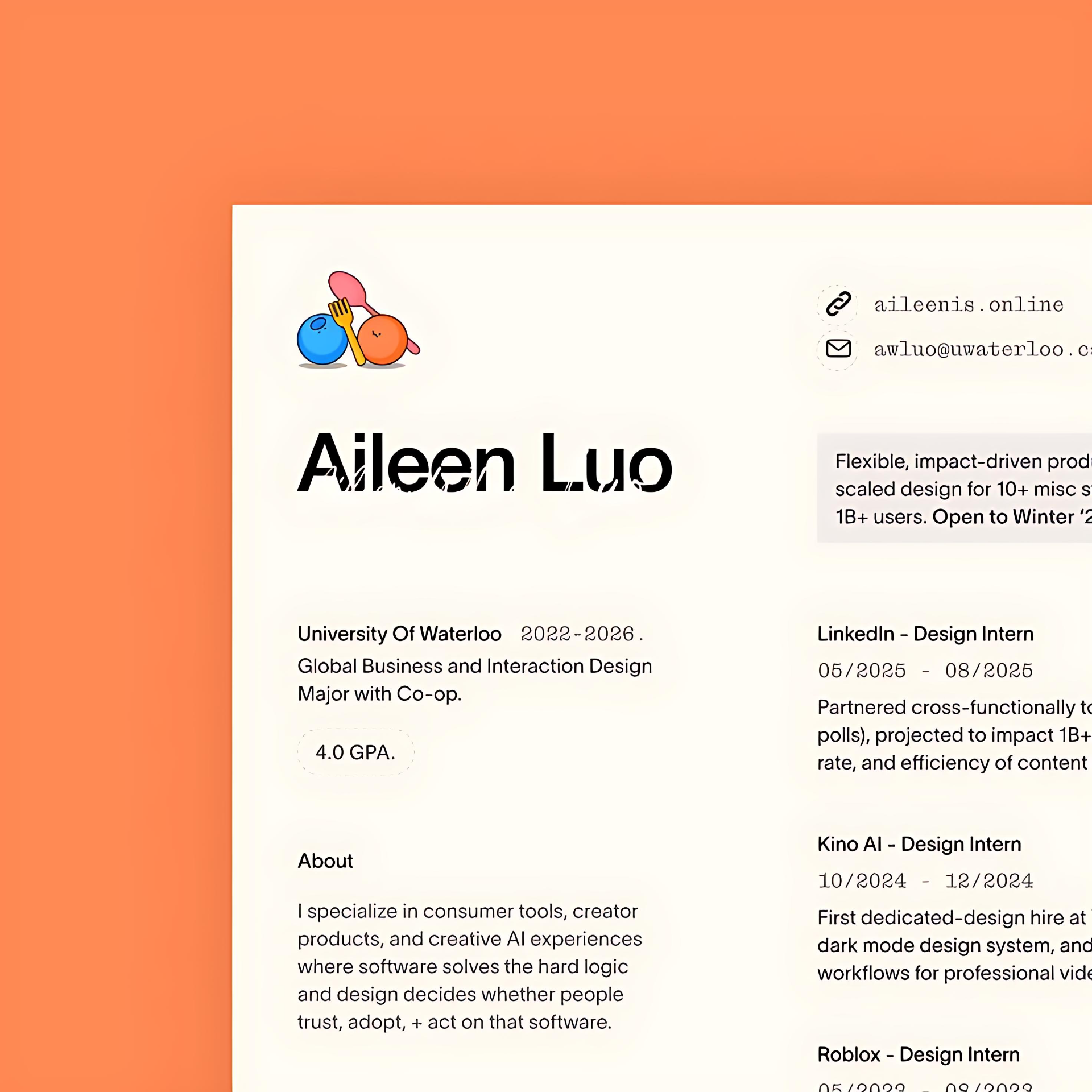
We've all been there. You open Google, type "resume template," click on the first shiny link, and boom—you're 80% done before you even start. But here's the catch: if your resume looks and sounds like everyone else's, how will anyone remember you?
In today's competitive job market, template-based resumes can do more harm than good. While they save time, they often strip away what makes your story unique—your voice, your journey, your you-ness.
In this article, we'll explain:
- Why templates fail most job seekers
- How they dilute your story
- What to do instead
- And how Curriculo helps you stand out
What's a Resume Template, Really?
A resume template is a pre-designed document that organizes your information into common sections like experience, education, and skills. It usually features formatted boxes, icons, and placeholder text. They're meant to make resume writing easier—and they do. But here's the problem: they're not built for your story. They're built for everyone.
Why Templates Work Against You
1. They Prioritize Format Over Meaning
Templates focus on aesthetics. But employers don't hire you for your choice of font—they hire you for your value. Fancy icons and color blocks might look good, but often confuse Applicant Tracking Systems (ATS) and distract from the message. 78% of job seekers using online templates say they feel their resumes don't "sound like them."
2. They Make You Sound Generic
Templates come with stock phrases: "Detail-oriented professional with excellent communication skills…" Ever read a resume and thought, "This could be anyone"? That's what happens when everyone uses the same words. Templates box you in—your resume becomes a list, not a story.
3. They Miss the "Why" of Your Journey
Your resume isn't just about what you did. It's about why you did it, and what you learned along the way. Templates don't ask:
- Why did you leave that role?
- What changed in your skillset?
- How did that job shape your career direction?
They only ask for dates and duties. That's not enough.
What to Do Instead: Structure First, Format Later
Instead of starting with a template, start with:
- Your story
- Your strengths
- Your voice
Then—only after that—choose a layout that supports it. Consider your resume as a book: start with the words, not the cover.
The Curriculo Approach: Templates Reimagined
Curriculo doesn't lock you into rigid formats or over-designed layouts. Instead, it gives you structure and prompts that help you write content that feels authentic and sounds like you. We call this the resume agent approach:
- You answer thoughtful questions about your work
- We guide you to articulate your impact
- We then format it into something that stands out—not because it's pretty, but because it's personal
Here's how we do it better:
| Traditional Template | Curriculo |
|---|---|
| Static layout | Flexible structure |
| Stock phrases | Custom voice |
| Focus on looks | Focus on meaning |
| One-size-fits-all | Story-first, you-first |
How to Break Free from the Template Trap
1. Write Your Resume Like You Speak
Instead of: "Executed deliverables within cross-functional teams…"
Try: "Worked with design, product, and dev to launch a dashboard users loved."
2. Show Your Growth, Not Just Jobs
Templates want roles and timelines. You should want context and learning.
Example: "Joined as a junior copywriter and led the full rebranding in 18 months, helping increase user retention by 30%."
3. Add a Personal Summary
Most templates skip this. We insist on it. It's your opening pitch. It sets the tone. Let it reflect your values, ambitions, and working style.
Templates are useful starting points—but they're just that: a starting point. If you want your resume to speak for you, you need more than a box to fill. You need a tool that helps you find your voice. That's what Curriculo is.
Your story deserves more than a format. It deserves to be felt, remembered, and hired.
Start building a resume that reflects you. Start with Curriculo.me